Short answer
Use a pan anywhere a leak would damage the building: attics, upstairs closets, finished basements and over wood floors. Many local codes require one in those spots, with a drain line to a floor drain, the outside or another approved place. Size it by inside diameter, a few inches wider than the tank (30 inch pans are common for 50 gallon tanks), and check the drain fitting size. Add a leak alarm in the pan for early warning.
When you need one
Any place a leak would do damage: attics, closets over living space, finished basements, laundry rooms over wood subfloors. Many local codes require a pan in those places and a drain line from it. Where the heater stands on a garage slab by a floor drain, a pan matters less, though it still catches drips and protects the floor. The ICC also lists the water heater pan as an approved termination for the relief valve discharge pipe (ICC CodeNotes).
Sizing the pan
- Measure the widest point of the tank, including any jacket bulge or drain valve body that sits low.
- Pick a pan whose inside diameter is a few inches larger. Pans are sold by inside diameter, commonly about 20 to 30 inches.
- Check the drain fitting size (often 1 inch PVC, sometimes 3/4 inch) and plan the drain line.
- For a heat pump model, check the depth and whether you also need room for the condensate line.
Pan types
-
01Gas or electric
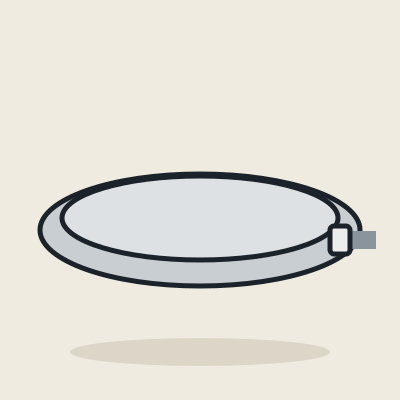
Aluminum drain pan with side drain
Best for: gas tanks and any install where heat or durability matters
- Sizes
- About 20 to 30 in inside
- Depth
- About 2 in
- Drain
- PVC fitting on the side
- Metal suits burner heat under gas tanks
- Some makers list IPC and UPC compliance on the box
- Cut the drain line to fall toward the drain
-
02Electric
Plastic drain pan
Best for: electric tanks on a finished floor
- Sizes
- About 20 to 30 in
- Drain
- Knockout or fitting
- Check
- Heat rating for gas
- Light and does not corrode
- Check the maker’s rating before using under a gas heater
- Some include a knockout for a drain line
Installing a pan under an existing heater
Placing a pan means draining the tank and lifting it, so it is easiest during a replacement. On a working heater: shut off gas or power and the cold supply, drain the tank, disconnect, lift the tank into the pan, reconnect, refill before restoring heat, and run the pan drain line to an approved spot. If that is more than you want to take on, ask your plumber to add one at the next service.
Add a leak alarm
A battery leak sensor in the pan sounds as soon as water collects. Some kits also close a motorized valve on the cold supply. They are a few minutes to install and buy you time on an old tank. Leak sensors with automatic shutoff on Amazon.
Seeing water already? Go to water heater leaking.
Questions people ask
Is a water heater drain pan required?
Often, where a leak would cause damage, such as in an attic or above a finished room. Rules vary by code edition and local amendments, so check with your building department or installer.
What size drain pan do I need?
Measure the tank’s widest diameter and buy a pan whose inside diameter is a few inches larger. Common pan sizes are around 24 to 30 inches across; a 30 inch pan suits many 40 and 50 gallon tanks.
Does a drain pan need a drain?
A pan without a drain only holds a few gallons. Where code requires a pan it generally requires a drain line to an approved spot. A leak alarm in the pan is a good backup either way.
Can the T&P valve drain into the pan?
The ICC lists the pan serving the water heater as one of the places a relief valve discharge pipe may terminate, as long as the pan drains to a safe spot. Check your local code.
Aluminum or plastic drain pan?
Aluminum or metal pans are commonly used under gas heaters because of burner heat; plastic pans are common under electric tanks. Check the pan maker’s rating for your heater type.
Sources
Last reviewed October 29, 2026. Models, codes and listings change; check your heater’s manual and your local code, and follow the maker’s instructions.